
The psychology behind your next bet what drives the gambler's mind
The Allure of Gambling
The world of gambling is inherently fascinating, drawing in both seasoned bettors and newcomers alike. The thrill associated with placing a bet is often heightened by the element of risk, which can trigger a rush of adrenaline and excitement. Gamblers frequently experience an intoxicating blend of emotions that can range from elation upon winning to anxiety when facing losses. This emotional rollercoaster is not merely a coincidence; it’s deeply rooted in the psychology of reward and loss, making each bet a unique psychological event. Many players enjoy the immersive experience offered by various platforms such as betty casino ontario.

Moreover, the environmental factors surrounding gambling—such as the ambiance of a casino or the allure of online platforms—add to the captivating nature of betting. Bright lights, sounds of machines, and the buzz of fellow gamblers create an atmosphere that can enhance the desire to participate. Cognitive biases, like the illusion of control, lead many individuals to believe they can influence outcomes, further fuelling their inclination to gamble. This belief can amplify the excitement and drive more frequent betting.
Understanding the allure of gambling also involves exploring the concept of escapism. Many people turn to gambling to temporarily escape from their daily stresses or problems. The anticipation of a potential win can provide a powerful distraction, allowing gamblers to immerse themselves in a world where fortunes can change in an instant. This need for an escape, combined with the desire for instant gratification, makes gambling a potent psychological draw for many individuals.
The Role of Cognitive Biases
Cognitive biases play a significant role in how gamblers perceive their chances of winning and losing. One of the most common biases is the gambler’s fallacy, which leads individuals to believe that past events can influence future outcomes in random games. For example, a player might think that a slot machine is “due” for a win if it has not paid out in a while, despite each spin being entirely independent. This fallacy can fuel an ongoing cycle of betting, as gamblers convince themselves of their likelihood of winning based on patterns that don’t actually exist.
Another impactful bias is confirmation bias, where gamblers tend to remember their wins more vividly than their losses. This selective memory can create a distorted perception of their betting performance, leading them to believe they are more successful than they truly are. Such biases contribute to the ongoing cycle of gambling, reinforcing the behavior even when evidence suggests that it may not be financially prudent. Gamblers often find themselves caught in a loop of hope and expectation, which can lead to increasingly reckless betting.
Recognizing these cognitive biases is essential for both gamblers and those looking to support them. Understanding that these mental shortcuts can distort reality allows individuals to approach gambling with a more critical eye. By cultivating awareness of these biases, gamblers can make more informed decisions about when to bet and when to step back, ultimately leading to healthier gambling habits.
The Social Influence on Gambling
Gambling is not just a solitary activity; it is heavily influenced by social factors. The presence of peers or a shared experience can significantly affect an individual’s betting behavior. Many people are introduced to gambling through friends or family, and this socialization can create a sense of belonging or camaraderie. In environments like casinos or online betting platforms, the social interaction can amplify the thrill of betting, making it more appealing to participate.
Furthermore, social proof often comes into play, where individuals look to others to gauge their own behaviors. If friends are placing bets and sharing stories of wins, it can encourage others to join in, believing that they too will experience similar success. The influence of social media has also modernized gambling; influencers often promote betting games, creating a culture where gambling becomes normalized and even glamorized. This can lead to a false sense of security about the risks involved.
However, the social aspect can have dual effects. While it can enhance the experience of gambling, it may also lead to problematic behaviors. Peer pressure can result in individuals betting beyond their means or engaging in irresponsible gambling. Recognizing the impact of social dynamics can help gamblers understand their motivations better, making it easier to navigate their choices and maintain control over their betting habits.
The Impact of Emotions
The emotional landscape of gambling is intricate and often tumultuous. Gamblers frequently oscillate between euphoria and despair, and this emotional volatility can influence their decision-making processes. Winning can elicit feelings of invincibility, leading to riskier bets, while losing can trigger desperation or a desire to recoup losses, which can result in chasing losses—a common pitfall in gambling psychology.
Emotions like excitement and anticipation are essential drivers behind a gambler’s mind. The thrill of placing a bet creates a sense of urgency and engagement that can overshadow rational thinking. In some cases, the rush associated with winning can act as a reward, reinforcing the behavior and encouraging future gambling despite potential negative consequences. This interplay between emotions and decision-making highlights why gambling can be so addictive for some individuals.
Addressing the emotional dimensions of gambling is crucial for those looking to understand their behavior. Emotional self-regulation techniques, such as mindfulness and stress management, can empower gamblers to maintain better control over their impulses. Being aware of emotional triggers can also help individuals recognize when they need to take a break or reconsider their betting habits, promoting healthier choices in the long run.
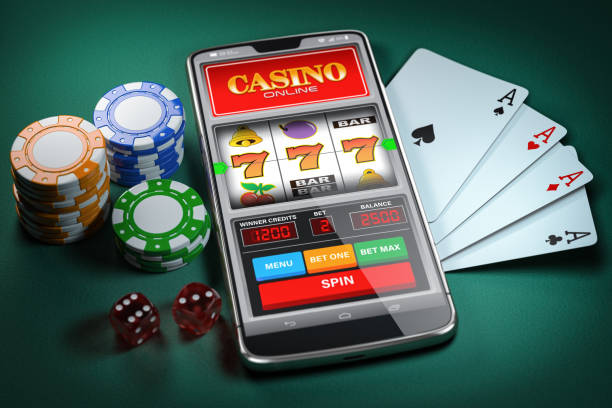
Exploring the Gambling Landscape
Understanding the psychology behind gambling is essential for anyone interested in the betting world. Whether you are a novice or an experienced gambler, acknowledging the various psychological factors at play can enhance your approach to betting. The thrill, cognitive biases, social influences, and emotional responses all intertwine to create a complex landscape that influences every betting decision. This understanding can empower individuals to make more informed choices, leading to a more enjoyable and sustainable gambling experience.
The exploration of these psychological factors not only enriches the gambling experience but also serves as a guide for responsible betting. Individuals who recognize their motivations can set boundaries and engage in gambling as a form of entertainment rather than a source of stress. Moreover, this awareness can facilitate discussions about gambling-related issues among peers, helping to create a supportive environment for those who may struggle with their habits.
Ultimately, the journey through the gambling landscape can be both fascinating and enlightening. Whether you seek the thrill of the game or aim to understand the underlying psychology, the insights gained can enhance your experience while ensuring that you approach betting with a balanced mindset. Remember, knowledge is power, and understanding the intricacies of the gambler’s mind can help you navigate your next bet with confidence and awareness.